
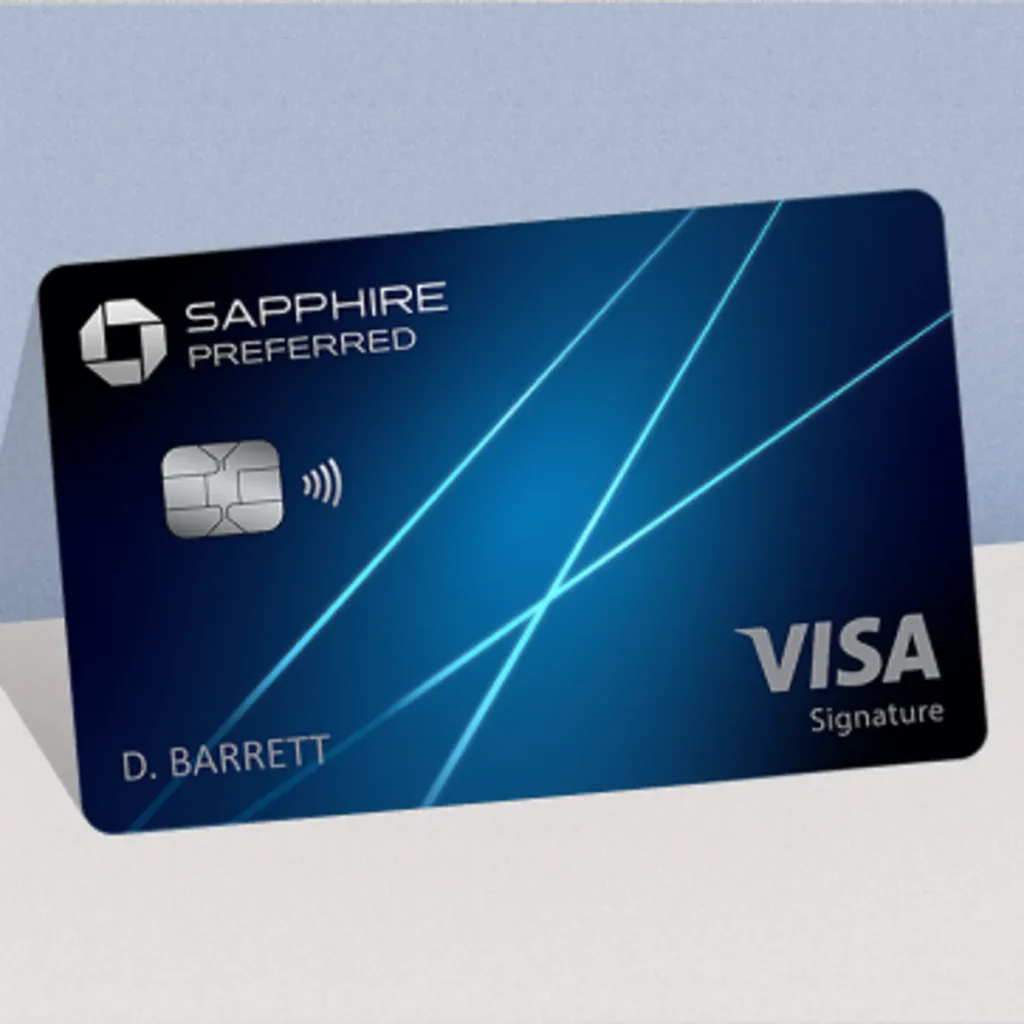

In the United States, the credit card is far more than a simple piece of plastic or a metal rectangle in your wallet. It is a financial gateway, a tool for building wealth, a shield against fraud, and a cornerstone of the American consumer economy. For over 70 years, credit cards have evolved from a niche convenience for the wealthy into a near-necessity for everyday life, influencing everything from how people buy groceries to their ability to secure a mortgage.
Understanding the US credit card system is crucial for navigating American financial life, whether you are a citizen, a new resident, or a visitor. This article delves into the mechanics, the rewards, the pitfalls, and the future of credit cards in the USA.
How Credit Cards Work in the US
At its core, a credit card is a revolving loan. When you use a credit card, the issuer (a bank like Chase, Citi, or Capital One) pays the merchant on your behalf. You then have a grace period—typically 21 to 25 days—to repay that amount without incurring interest. If you don’t pay the full balance by the due date, interest accrues on the remaining balance.
The US system is characterized by a few key components:
- The Credit Limit:
The maximum amount you can borrow on the card, determined by your credit score, income, and history with the issuer.
- The APR (Annual Percentage Rate):
The interest rate charged on balances carried over from month to month. This can be fixed but is often variable, tied to the Prime Rate.
- The Minimum Payment:
The smallest amount you must pay each month to keep the account in good standing. Paying only this is a trap that leads to significant interest charges over time.
The Rewards Ecosystem: Cash Back, Points, and Miles
Perhaps the most distinctive feature of the US credit card market is its competitive rewards landscape. Issuers fight for customers by offering lucrative sign-up bonuses and ongoing rewards.
- Cash Back Cards:
These offer a straightforward percentage of your spending back as a statement credit or direct deposit. Common structures include flat-rate cards (e.g., 2% on all purchases) or tiered cards (e.g., 5% on groceries, 3% on gas, and 1% on everything else).
- Travel Rewards Cards:
These earn points or miles that can be redeemed for flights, hotels, and rental cars. Premium travel cards often come with annual fees (upwards of $500) but provide perks like airport lounge access, travel insurance, and credits for TSA PreCheck or Global Entry.
- Points Systems:
Cards like the Chase Ultimate Rewards or American Express Membership Rewards allow you to earn points that can be transferred to airline and hotel partners, often yielding higher value for international travel.
Building Credit: The FICO Score
In the US, your credit history is your financial resume. The most important metric is your FICO score, a number between 300 and 850. Credit cards are the most effective tool for building this score.
The five factors that determine your FICO score are:
- Payment History (35%):
Paying on time is paramount.
- Amounts Owed (30%):
Your “credit utilization ratio” (the percentage of your total credit limit you are using). Keeping this below 30% is ideal.
- Length of Credit History (15%):
Older accounts are better.
- New Credit (10%):
Opening too many accounts in a short period can hurt your score.
- Credit Mix (10%):
Having a variety of credit types (cards, auto loans, mortgages) is beneficial.
A high credit score (typically 740+) unlocks the best interest rates and card offers, while a poor score can lead to denials or high fees.
Types of Credit Cards in the US
The US market is segmented to cater to specific consumer needs:
- Standard/Classic Cards:
No annual fees, basic rewards, suitable for beginners.
- Premium/Rewards Cards:
High annual fees, but offer the best travel perks and bonus earning categories.
- Secured Cards:
Require a cash deposit that acts as your credit limit. These are designed specifically for people with no credit history or poor credit to rebuild their score.
- Student Cards:
Tailored for college students with lower income and limited credit history.
- Store Cards:
Issued by retailers (e.g., Target, Macy’s) and usually can only be used at that specific store. They offer high discounts but often come with high interest rates.
- Balance Transfer Cards:
Offer a 0% APR for an introductory period (12–21 months) specifically for transferring debt from other high-interest cards.
The Risks: The Dark Side of Plastic
The convenience of credit cards comes with significant pitfalls. The average credit card interest rate in the US often hovers around 20% to 28%, making it an expensive way to borrow money.
- The Debt Trap:
Carrying a balance month-to-month can quickly snowball. Minimum payments are structured so that if you only pay the minimum, it could take decades to pay off a debt.
- Late Fees:
Missing a payment results in a late fee (often up to $40) and can trigger a penalty APR, increasing your interest rate.
- Fees:
Apart from annual fees, cards may charge foreign transaction fees (usually 3%), cash advance fees, and balance transfer fees.
Security and Consumer Protection
One major advantage of credit cards in the US is robust consumer protection under the Fair Credit Billing Act. In the event of fraud, your personal liability is capped at $50, and most issuers offer zero-liability policies. This makes credit cards significantly safer than debit cards for online purchases. Additionally, cardholders often benefit from extended warranties, purchase protection, and price protection on goods.
The Future of Credit Cards
The US credit card industry is adapting to new technologies. The “Tap to Pay” (NFC) feature has become ubiquitous. The rise of “Buy Now, Pay Later” (BNPL) services like Klarna and Afterpay is challenging the traditional credit card model, particularly among younger generations who are wary of credit card debt.
Despite this, credit cards remain deeply entrenched in the US economy. The shift toward digital wallets (Apple Pay, Google Wallet) is not replacing credit cards but rather integrating them into mobile devices. Furthermore, the data collected by card issuers allows for highly personalized offers, making the cards more relevant than ever.
Conclusion
Credit cards in the USA are a powerful financial instrument. They offer an unparalleled combination of convenience, security, and rewards. For the responsible user, they are a vehicle to travel for free, build a stellar credit score, and protect their finances from fraud.
However, they demand discipline. The key to mastering the US credit card game is simple: Pay your balance in full and on time every month. By doing so, you harness the power of the system without falling prey to its costs, ensuring that the plastic in your wallet remains an asset rather than a liability.


